

What’s Aged the Best?
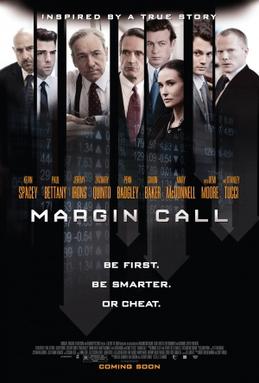
Ensemble; cyclical crises; fast dialogue; moral complexity; overnight setting; custodian; Moore; Quinto; cigarette acting
In the discussion (20)
Approx. transcript time · 00:04:23Read transcript
- The film makes smart, attractive people’s conscious moral abandonment legible while remaining funny; its psychological portrait is preferred to The Big Short’s film version.
- Bettany’s Will is charismatic, funny and unusually honest about the game he is playing; the performance is called career-best.
- The ensemble has no weak performance, including Moore’s understated, experienced corporate operator; replacing an actor seems difficult.
- John’s list of recurring crises captures finance’s cyclical nature, compared with new NBA owners making predictable splashy trades.
- The script refuses to talk down to viewers, allowing its speed and unexplained detail to require a second viewing; that confidence is described as inspiring for Billions.
- The film plays as a crime thriller without a prosecutable crime or visible assault, murder or drug use, distinguishing its moral criminality from its legal conduct.
- Quinto makes intelligence, conflict and loyalty visible; repeatedly crediting Dale’s work complicates his role as the person whose discovery triggers the destruction.
- Shutting off Dale’s phone is a small, realistic mechanism that lets him disappear without a contrived plot device.
- Moore’s effective supporting work is welcomed as a former major star delivering a restrained late-career appearance.
- John’s child-or-golden-retriever request remains a sharp illustration of powerful people pretending they lack brains.
- The sad financial-district strip-club atmosphere feels accurate to the disappointment of such places.
- The crisis produced an impressive body of books, films, articles and documentaries, even though the event itself was disastrous.
- The overnight setting makes enormous decisions while everyone else sleeps into a metaphor for an unaware public about to be harmed.
- The custodian trapped between Baker and Moore in the elevator makes class separation visible through his effort to remain unnoticed.
- Moore’s character gains nuance through her prior warning to John and the humane final exchange with Dale; she tried to intervene but would be crushed too.
- Goldman’s share-price recovery is offered as an ironic aged-best choice, with the bank’s legal defenses and the discussion’s own limited expertise acknowledged.
- Badgley’s later success in You makes his presence notable, though its creepy role can be difficult to separate from the actor.
- Quinto gains credibility beyond Heroes and Spock through an intelligent performance that makes him an appealing potential collaborator.
- Irons’s accent, physical manner and distinctive presence confer authority, compared with the deference given English television judges.
- Spacey’s character-specific cigarette handling is admired, contrasting Sam’s ritual with Verbal Kint’s unusual grip.