Kid becoming huge star disputed because already should be; Apollonia returning to New Orleans in nine months imagined. Next album Around the World in a Day called self-sabotage versus loved.
Directly invited first-time viewer at thirty in2024 understands importance but struggles outside performances. Opening shows Prince appeal; Darling Nicky previously unknown.
Songs compelling on screen but not personally sticky for streaming; long music-video form and many face close-ups leave drama less engaging. Partner negative response reported.
More interesting to discuss than watch outside performances conceded; defense that film and album showcase complementary genius. Michael music considered better aged.
Risky persona construction both bold and career burden. Current young artists unlikely to repeat; Taylor Swift hypothetical opposed then her music offered as equivalent expression.
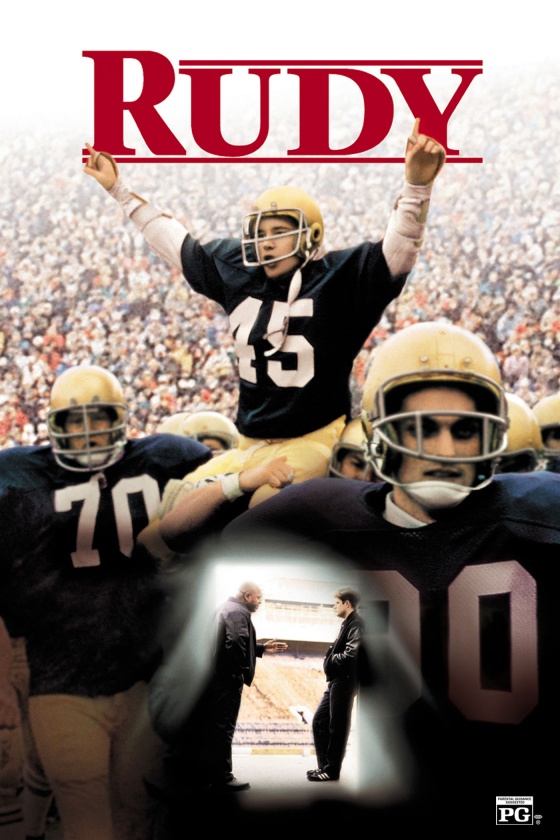
Pete fighting Frank in the bar and the subsequent fatal mill accident are honorable mentions, including Rudy’s slow-motion reach.
Rudy seeing the stadium for the first time is an honorable mention, enhanced by the score and Dutton’s entrance.
Rudy reciting Rockne’s speech in the locker room and Fortune’s emotional reaction are nominated.
Admission to Notre Dame is called the first truly rewatchable scene, though Astin’s crying is criticized as forced compared with Toy Soldiers.
Astin reportedly described struggling to cry until the director asked what he feared, unlocking tears on the final take.
The assistant coach’s harsh tryout speech, the practice montage and Dean confirming Rudy made the team begin an especially strong stretch.
Football practice montages are praised for violence, music and repeated hits; The Program, Wildcats, Friday Night Lights and Remember the Titans provide comparisons.
Fortune promising to attend if Rudy dresses is a small favored moment.
The tackle demolishing Rudy, then easing up, leads to the parking-lot understanding and Jamie calling him a showboat.
Rudy asking to dress for one game is nominated, with skepticism about his entitlement and a joke that a departing coach can promise anything.
Fortune confronting Rudy after he quits is praised for acting, writing and the unexpected revelation that Fortune played at Notre Dame and regretted quitting amid perceived racial discrimination.
A hypothetical earlier scene revealing Fortune’s history might improve the first hour without losing the final motivational speech; no additional Dutton appears in the deleted scenes.
The jersey-drop scene is initially the top choice, with Ross’s restrained emotion particularly praised.
The jersey protest is reported as invented; Devine supposedly supported playing Rudy and objected to his villainous portrayal, while Montana also denied he would surrender a jersey.
The jersey scene remains emotionally effective despite its implausibility, while Steele surrendering his final home-game tunnel entrance is considered even harder to believe.
The pregame speech, tunnel entrance, final opportunity, sack, reaction shots and shoulder carry build the finale’s emotional force.
The halfback touchdown pass is criticized as invented and an unearned attempt to redeem Jamie after his hostility, though the score still makes the sports ending work.
Montana reportedly described the shoulder carry as a joke by the team’s pranksters; that interview damaged the film’s reputation in the social-media era.
Both final scene choices settle on the ending, especially Beatty and Dutton’s reactions; the jersey scene remains a favorite and Frank’s restrained response is amusing.
The montage of Rudy repeatedly failing to make the dress list is praised as an effective disappointed-hope sequence with strong music.
The score, loose true-story disclaimer, rejection-letter montage and fathers asking children’s friends whether they have their own home are affirmative selections.
Astin’s athletic running and tackling look convincing, with Toy Soldiers and Seagal’s running providing comparisons.
Adults discouraging unrealistic childhood dreams is praised as a refreshing contrast with universal encouragement, including the bus-stop story about the failed cattle business.
Jamie’s disappointing blue-chip-recruit persona and sports villains who complain that the hero makes them look bad are enjoyable familiar types.
Devine’s nobody-pushes-us-around speech has a lasting arena-jumbotron afterlife.
Seeing early Vaughn after Swingers and Old School adds comic expectations to his exchanges with Rudy.
Some Notre Dame fans’ vehement dislike of the movie is itself an amusing positive.
Tryouts reportedly appears in at least twelve other film trailers, demonstrating the score’s power to sell unrelated movies.
Ross’s Major League, Hoosiers and Rudy trifecta establishes his sports-movie supporting-player stature, with Trouble with the Curve, The Express and possibly The Last Boy Scout also cited.
The mill accident raises a question of Rudy’s negligence or possible manslaughter because his task was maintaining water flow; the mill itself looks dangerously unsafe.
Jamie’s lack of success is answered by miscasting his physique at tailback.
The jacket’s long use in all weather raises hygiene questions.
Jason Miller might prefer another encounter with The Exorcist’s Regan to another interruption from Rudy.
Rudy’s late commitment raises the question why he did not work harder in high school, with dyslexia offered as context.
Mary’s relationship with Rudy prompts speculation about an eventual kiss, with his team membership increasing his chances but her abstinence and rule-following limiting opportunities.
Rudy’s isolation, lack of entertainment, athletic energy and unsuccessful pursuit of women inspire a joking claim about exceptional masturbation frequency.