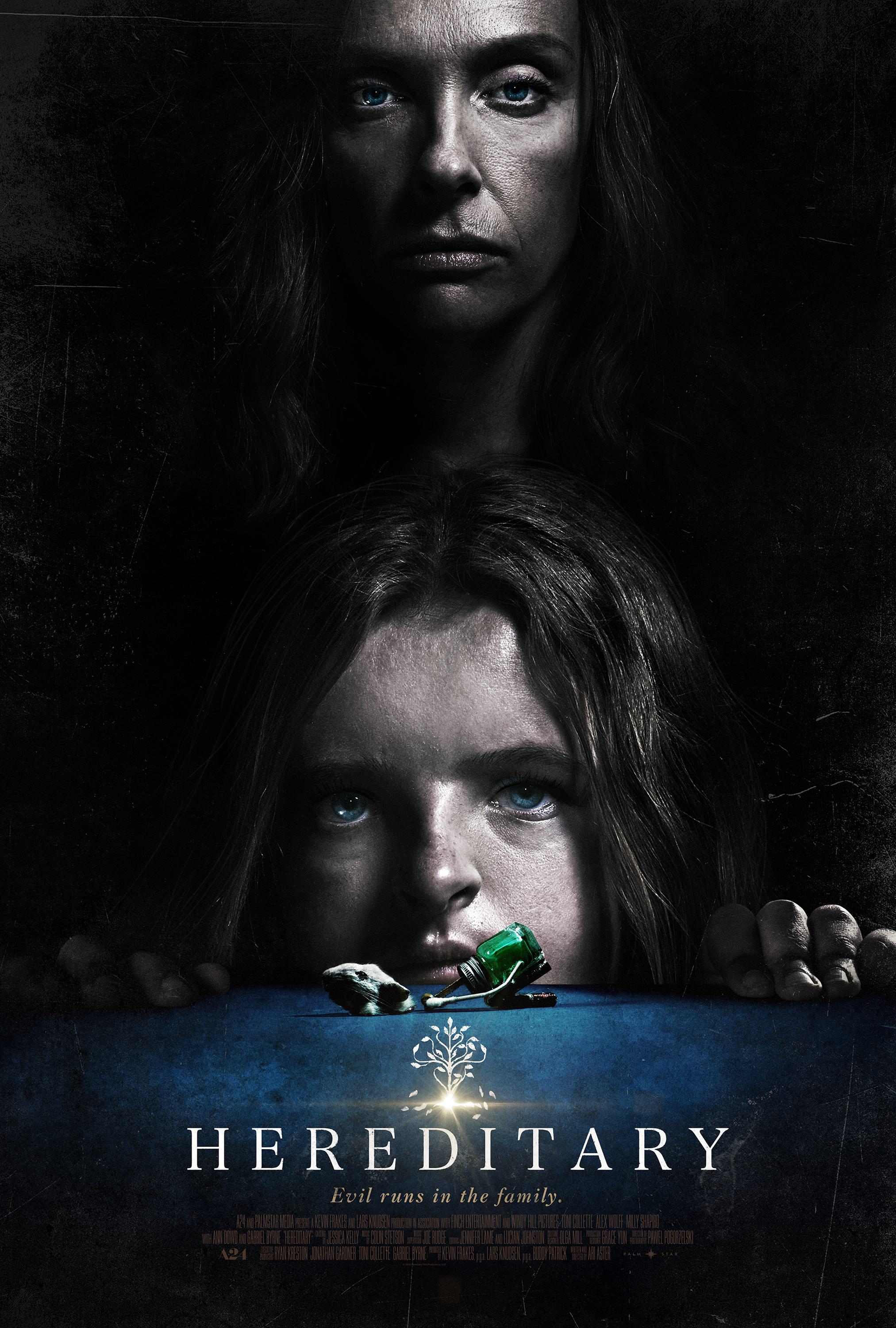
Doris commentary addresses Miss Joni after decades preparing for King Paimon, removing Charlie and destroying the Graham family so he can take male form.
Collinsworth cautions against sticking a head outside a moving car; Ruocco’s Got It and Breen’s Bang are applied to the decapitation.
Cowherd-style analysis treats Paimon as the dominant executive who knows the salary cap.
Steve being a therapist while failing to address the family crisis would qualify him for Vincent Chase, though the earlier no-contact policy shows some good judgment.
Collette receives initial affirmative support but is disputed in favor of Little Miss Sunshine’s career impact, with her sustained work and Knives Out noted.
Nut allergies and fatal child reactions are proposed; Charlie’s death is compared with the child in Jaws and another child’s fatal bee reaction.
Decapitation scenes are accepted over examples from Ran and Black Rain; the pole death and audible piano-wire death compete as highlights.
Wolff is accepted; Byrne is rejected for his 1990s work, including The Usual Suspects and Miller’s Crossing.
Evil treehouses are proposed as an especially strong case.
The Good Son and Beetlejuice Beetlejuice supply treehouse alternatives; self-beheading with piano wire is accepted, while séances and Utah are rejected or unclear.
Making coffee after discovering a charred father before calling police is jokingly affirmed.
Whether Charlie’s crisis is an ordinary allergy or Paimon directing events is debated; the marked pole and possible cult placement of the deer imply orchestrated fate.
Whether the family already has wealth from the grandmother’s pact is wondered about, leading to jokes about Paimon supplying investment and betting tips.
Whether Paimon returns to school or ever inhabited Annie during intimacy is debated; one reading limits her possession to the period after Steve’s death, another points to roaming blue light.
The wisdom of séances and the eight kings’ hierarchy, territories, collaboration and place beneath Satan are left unanswered amid organizational jokes.
A possible omitted cult-sex scene is wondered about, with Midsommar offered as where Aster later explored that material.
Why the cult waited so long to transfer Paimon from Charlie to Peter is unanswered, with maturity offered as a guess.
Peter’s heavy marijuana use seems unchecked and may cloud his judgment; whether the cult influences it or he supplies friends is speculative.
Annie failing to recognize her mother’s close friend Joan seems unlikely, though estrangement and secrecy offer an explanation.
Steve marrying and remaining with Annie despite extreme family history and alarming behavior is questioned; attraction and her artistic success are offered as comic explanations.
Sending thirteen-year-old Charlie to Peter’s high-school gathering seems questionable, with wanting children out of the house or supernatural influence offered as possibilities.
Peter should have multiple bedroom locks after the paint-thinner incident, prompting a mock home-improvement advertisement.
The apparent absence of police questioning, investigation and public reporting after a child’s violent death is questioned, especially given Peter’s intoxication and return to school.
A prestige-series version is considered, but a sequel following Paimon’s reign inside Peter is particularly appealing despite lacking an obvious opposing family member.
A joking crossover would pit Paimon against The Exorcist’s Pazuzu.