
‹ All movies
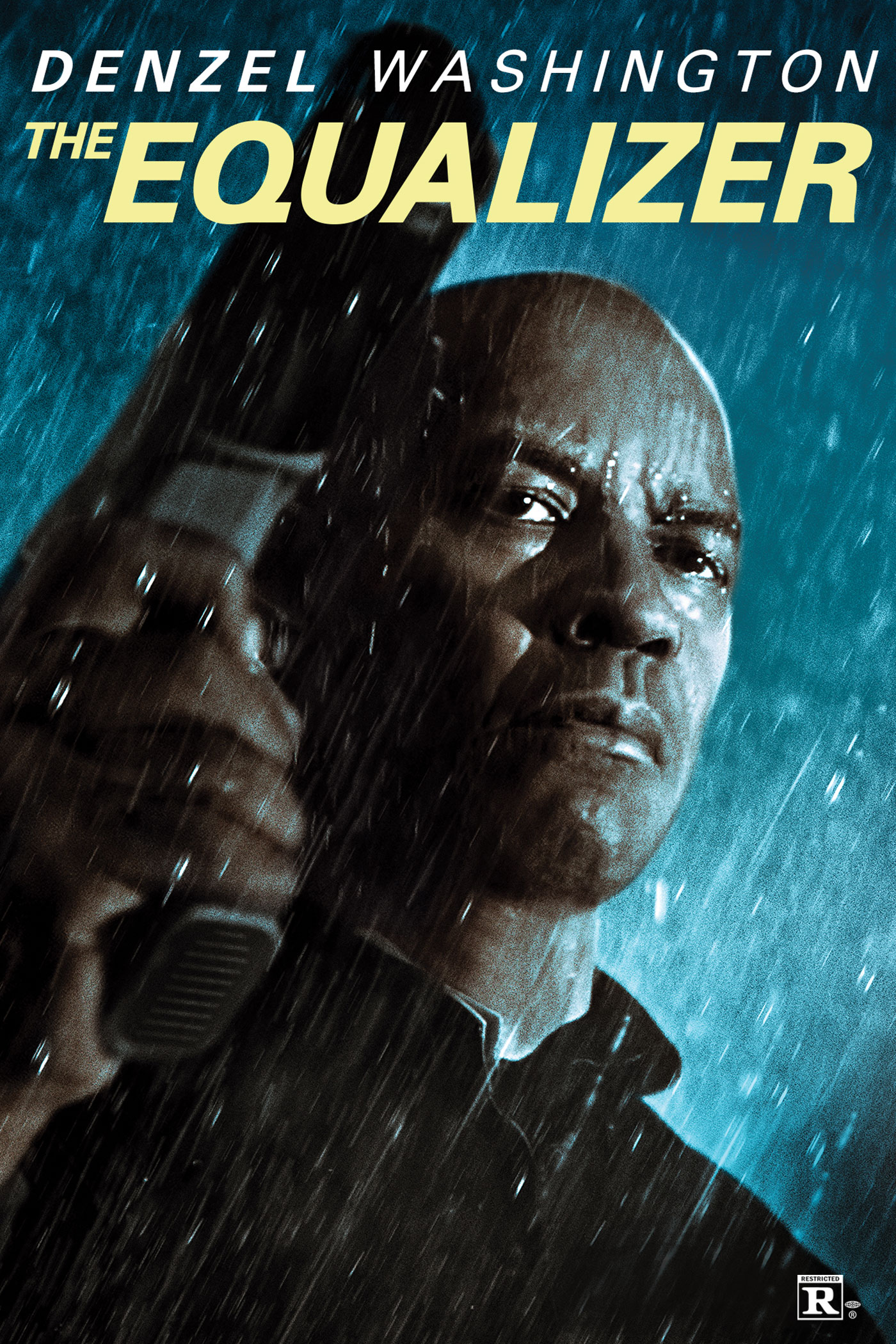
The Equalizer poster

The Equalizer

131 minutes

Cast

Selected cast credits · Film reference

Denzel Washington Robert McCall
David Harbour Masters
Bill Pullman Brian Plummer
Melissa Leo Susan Plummer
Johnny Skourtis Ralphie

The Equalizer | The Rewatchables

Explore episodeClose episode

Picking Nits

Whether the diner really opens all night is disputed.

In the discussion (13)
Approx. transcript time · 00:24:03Read transcript
  • An all-night diner is questioned; other Boston diners reportedly stayed open late, but the time of this visit is unclear.
  • Right field is questioned as a low-leverage position; another thinks it was left. Hiding ability is a defense and left field an alternative.
  • The player’s statistics, contribution and near collision are questions or guesses, not known results.
  • Killing six people after talking to the woman three times seems excessive. Paying9800dollars for freedom is a defense, though he may have been itching to kill.
  • Hot honey treating a cut is questioned; adhesive is only a guess, not verified care guidance.
  • When the car stops on the bridge and the guy smacks her, not acting is surprising; keeping Elena in the dark is the proposed explanation.
  • The convenient coma, exact9800dollar figure and access to the corrupt policeman’s phone number are questioned.
  • The women are considered implausibly good-looking; this is a subjective casting complaint.
  • The researched watch reportedly lacks the stopwatch seen onscreen; agency modification is a joking defense.
  • The colleague’s Foreigner shirt seems incongruous, with irony or inheritance offered as guesses.
  • The colleague feels like a second dependent character delaying the action. Funnier casting is proposed and challenged; the weight requirement and hiring process are questioned.
  • Commercial travel to Russia and access to the protected oligarch are raised as a late nitpick.
  • Funnier Ralphie casting proposes2002HoratioSands (observed Horatio Sands; identity unverified) or1995ChrisFarley, followed by the objection that Ralphie need not be funny.

Roger Ebert's review

Rating not yet verified

No Ebert review; a different critic’s positive passage is read.

In the discussion (1)
Approx. transcript time · 00:25:20Read transcript
  • No review is available from Ebert, with uncertain recollection of his death date. The substitute passage is positive but unrated; the suggested three stars are the host’s estimate.

Most Rewatchable Scene

The first Russian confrontation is the final choice, after numerous scenes and a late Moscow recall.

In the discussion (17)
Approx. transcript time · 00:27:24Read transcript
  • The opening diner scenes divide opinion: one would begin around nineteen minutes, another enjoys the setup.
  • Offering9800dollars for freedom raises questions about his bank account, crypto, two apartments and money stashed elsewhere.
  • The gangster’s familiar threats, jokes and questions make the confrontation compelling.
  • The visible weapons, stopwatch and door-locking build tension; editing helps the improbable attack make sense. It is nominated as the ten minutes to watch if time is limited.
  • The point-of-view planning is compared with a post-Limitless supercomputer brain.
  • The sand-yard beating is called both overdone and a classic; the other villains’ horror heightens it.
  • The confrontation with the corrupt police and their painful return of the money are favorites; a whole police-focused sequel is imagined.
  • Teddy pretending to be a cop, then explaining that he has given out all his cards, is another favorite.
  • The diner killing behind the newspaper truck is praised; not shooting him outside is questioned, then explained by the need to capture him alive.
  • The foster-child speech is praised and interpreted as the villain’s history supplied by the former colleague.
  • The store massacre is treated as a sequence, with the store branding and knowledge of every weapon prompting jokes.
  • The warehouse takedown is a dark horse, including the reversed gun, money distribution and frantic accomplice.
  • Cleaning the hammer is a brief favorite because it implies what happened offscreen.
  • Robert sticking the hose in the car and rolling the window is enjoyed; breathing exhaust is questioned, though he keeps going outside.
  • The drill, nail gun and wrestling fight are highlights; a crew actor’s identity is only tentatively recalled.
  • Going to see Slavi and taking down the entire crew is the favorite, with two agreeing responses.
  • The overlooked Moscow ending is recalled, especially the shower and bodies on the staircase.

The Slow Ride / Kid Cudi – Pursuit of Happiness Award for Best Needle Drop

The die-alone song, Vengeance, is selected; other ending music is discussed.

In the discussion (2)
Approx. transcript time · 00:38:42Read transcript
  • The store sequence’s song is called die alone, then Vengeance; that selection is praised as reminiscent of another director’s style.
  • New Dawn Fades, described as the Moby song from Heat, plays before the final credit song; all music-identification claims remain reported.

What’s Aged the Best?

Action conventions, setting, character details and music remain strengths.

In the discussion (9)
Approx. transcript time · 00:40:56Read transcript
  • Dying villains asking who the hero is and a clear sequel setup are enjoyed.
  • The massacre’s aftermath raises jokes about returning to work or softball and the security colleague leaving the profession or moving away.
  • A hundred-book reading goal and taking a local bus to the final showdown are admired.
  • Be loud about it and Russian villains are praised; Nazis are called undefeated movie villains in an otherwise unordered three-group comparison.
  • OCD divides opinion: one treats it as an asset, another says it comes and goes without affecting him. The line about looking like a Robert rather than a Bob is liked.
  • Hot honey on a wound and signature kills are discussed; when the wound happened and why the two policemen were killed remain uncertain.
  • The garage exhaust torture and Boston locations are favorites; an electric vehicle is a joking complication.
  • Identifying a profession from hands and avoiding ordinary guns are praised.
  • The music throughout is praised, with a tentative composer-credit recollection; the nail gun and other violent methods qualify the no-gun claim.

What’s Aged the Worst?

Conditional obsessive behavior, exposition and the accent draw objections.

In the discussion (4)
Approx. transcript time · 00:44:17Read transcript
  • Obsessive behavior is considered inconsistent because it does not meaningfully impede the action.
  • Explaining the book to the young woman, a villain’s name matching a later podcast company and the Boston accent are criticized, with some defense of the accent beginning.
  • The accent improves, but the initial suit makes the policeman’s role confusing; the opening without killing and inconsistent obsessive behavior are further objections.
  • Teddy pretending to be a Boston cop is reinterpreted as having no intention to trick him; not shooting him at the door and the target taking the gun are debated.

The Great Shot Gordo Award for Most Cinematic Shot

The tattoo shot and dissolve to the skyline.

In the discussion (2)
Approx. transcript time · 00:46:59Read transcript
  • The stretched-out villain dissolving into the skyline is praised.
  • A second selection narrows this to the overhead shot of the tattoos, which seems to move.

The Butch’s Girlfriend Award for the Weakest Link in the Film

Fake store branding, no weak link, and the music-career subplot are distinct answers.

In the discussion (2)
Approx. transcript time · 00:50:46Read transcript
  • The fake store name is distracting because the real brand is obvious; competing stores are jokingly proposed.
  • One participant says there is no weak link; another finds the young woman’s music career boring.

The Stephen A. Smith Hottest Take Award

The hero should take the security job; a filmography preference and simpler rescue are added.

In the discussion (3)
Approx. transcript time · 00:56:31Read transcript
  • The hero is better qualified for security and should not leave that responsibility to the colleague; another participant has no take.
  • The earlier favorite-filmography claim is recalled as a take.
  • McCall could get Alina out of the country with a new identity, but may not want to expose himself. Her thanks suggests she knows he helped.

Probably Unanswerable Questions

Knowledge of the hero, softball, an outfit homage and the better sequel are debated.

In the discussion (4)
Approx. transcript time · 00:57:07Read transcript
  • Whether the young woman knows who helped her is debated, with her thanks evidence that she does.
  • The softball season’s aftermath and whether colleagues know his home are uncertain; easy access by some people contrasts with the Russians’ difficulty.
  • The policeman’s costume is compared with Billy Costigan; deliberate homage versus ordinary local dress is unresolved.
  • The sequel is considered slightly better, with agreement and praise for its villain and stronger motivation; the original gets credit for launching the franchise.

Casting What-Ifs

An earlier star/director version, older actresses and another director were considered.

In the discussion (2)
Approx. transcript time · 00:57:26Read transcript
  • The reported earlier version paired Crow with Haggis; older actresses including Kendrick were considered before the seventeen-year-old won the role.
  • The actress reportedly gained weight on advice for the role; another director, associated with Drive, left shortly before the project came together. These are unverified production claims.

The Ruffalo / Hanna / Rubinek / Partridge Overacting Award

Harbor is the main choice; Teddy, nobody, and Pushkin are also voiced.

In the discussion (2)
Approx. transcript time · 00:58:15Read transcript
  • The loud policeman is proposed for the award’s name, with Teddy a smaller candidate; another participant says nobody overacts.
  • Pushkin is added as another actor dialing it up.

The Joey Pants “That Guy” Award

Messner is selected; Teddy’s actor is considered and Harbor excluded.

In the discussion (2)
Approx. transcript time · 00:59:22Read transcript
  • David Harbor is ineligible now, though he was a full-fledged that guy when this movie was made and before Stranger Things.
  • The diner intruder is the repeated selection; the villain’s actor, transcribed Martin’s Socus, is another recognizable face whose name was unfamiliar.

The Dion Waiters Award for Best Heat Check Performance

Several brief appearances qualify, with Ralphie’s mother singled out enthusiastically.

In the discussion (2)
Approx. transcript time · 01:00:15Read transcript
  • The former colleagues, the sand-yard victim, Slavi and the mother are candidates; no single definitive winner is stated.
  • The mother’s reaction to the returned money gets special affection.

Most Boston Character

Little John Looney wins a proposed special award.

The panel proposes a new category here.

In the discussion (3)
Approx. transcript time · 01:00:35Read transcript
  • A participant introduces a special award, initially named for a baseball player. The sand-yard victim, a policeman, the store robber and diner worker are candidates.
  • Little John is selected, followed by dialogue illustrating his manner.
  • The name is reconsidered in favor of Jim Coughlin, called the most Boston character ever. Using the category even outside Boston movies and other city versions are jokes or proposals.

Recasting Couch

Mostly well cast; an alternative Teddy is proposed with drawbacks.

In the discussion (1)
Approx. transcript time · 01:03:07Read transcript
  • One answer needs no changes; another proposes Crow as Teddy for an American Gangster reunion, while cost and suitability qualify it.

Half-Assed Internet Research

Locations, characterization, books and television history are reported.

In the discussion (8)
Approx. transcript time · 01:03:48Read transcript
  • The apartment address is given; the diner was a converted floor-covering shop in Chelsea, so it did not exist as a real diner.
  • The script originally lacked background; the lead reportedly added the compulsive behavior and former-colleague backstory. More history comes in the sequel.
  • A tattoo translation and the leather-bound library’s origin are reported; the final book is identified as Invisible Man.
  • Television research describes four acting nominations and the original character’s son, played by Zabka for twelve episodes; the son’s storyline remains unknown.
  • The apartment is reported at40FalconStreet in EastBoston.
  • The diner is reported at25EverettAvenue in Chelsea, a Chelsea Floor Covering business converted over two months; these are reported production details, not externally checked addresses.
  • The upper-back tattoo transcribed C M E P T B is said to be the Russian word smurt, meaning death; spelling and translation remain unverified.
  • The book purchase is described as Proust for40dollars, while the last book set down is identified as Invisible Man; no specific Proust title supplied.

Apex Mountain

East Boston, the newspaper truck, Craigslist and the hardware-store killing field; major stars excluded.

In the discussion (3)
Approx. transcript time · 01:06:33Read transcript
  • The lead and vigilante films are rejected; East Boston is accepted. The sand yard’s other film appearances remain tentative, and Harbor is rejected.
  • The newspaper truck and Craigslist posting are accepted; newspaper-placement payment is speculation.
  • A big-box hardware store as a killing field is accepted as an apex.

Best Race Horse Name from This Movie

The Equalizer or the quoted insult.

In the discussion (1)
Approx. transcript time · 01:07:57Read transcript
  • The title and the insult transcribed fucking flip her head are the two choices; the exact insult spelling is unresolved.

Sequel, Prequel, Limited Series, or All-Black Remake

Two sequels already exist; the upcoming release is discussed.

In the discussion (1)
Approx. transcript time · 01:15:06Read transcript
  • The second sequel’s timing is corrected from this weekend to next; the reunion with the Man on Fire actress and a planned viewing are discussed. This is historical release talk, not a current recommendation.

Is This Movie Better With…?

Dignam is proposed for the recurring list; Buscemi or Crow could be Pushkin.

In the discussion (2)
Approx. transcript time · 01:15:48Read transcript
  • Staff Sergeant Dignam from The Departed is proposed as an added recurring option, followed by an imagined line.
  • Buscemi showering as the Moscow villain would be exciting; Crow is another stunt-casting suggestion.

Just One Oscar

An answer after the interrupted prompt is garbled, probably Denzel but unresolved.

In the discussion (2)
Approx. transcript time · 01:16:22Read transcript
  • The first prompt is interrupted by more casting and travel discussion.
  • The repeated who gets it prompt has an answer transcribed then so, probably Denzel in context; exact choice remains uncertain pending recording.

The Coach Finstock Award for Best Life Lesson

Do not cross Denzel, avoid the late-night encounter, and accept the mud with the rain.

In the discussion (1)
Approx. transcript time · 01:20:48Read transcript
  • Three choices are voiced: do not cross the lead, do not speak to the women in the diner at3am, and the rain-and-mud proverb. These are discussion opinions, not endorsed advice.

Who Won the Movie?

Denzel is the clear choice; two repetitions are not separable into verified voters.

In the discussion (2)
Approx. transcript time · 01:21:03Read transcript
  • The answer repeats Denzel twice, followed by a question about whether he ever did not win the movie. Only one ballot is guaranteed without separate speaker evidence.
  • Past and possible future episode winners are discussed; they do not add votes here. Philadelphia is only a forecast and Training Day a recalled result.
Podcast choices
Speaker not identified
Denzel Washington

More from the conversation

The host’s father returns after the Shawshank birthday episode; affection for the first Equalizer grew through cable, with a preference to skip the opening twenty minutes.
Approx. transcript time · 00:01:15Read transcript
Later action vehicles improve on repeat viewing. The five-o’clock-movie concept means modestly reviewed action worth an inexpensive early showing; this movie is elevated to primetime. Taken2 qualifies, while John Wick and the first Taken are too good; Over the Top is another example.
Approx. transcript time · 00:03:35Read transcript
A vigilante-film history runs from the1970s through television and later revivals. Josie Wales is a personal top-five film and preferred to Unforgiven; all four Wick films are praised. Inglourious Basterds is only a qualified genre inclusion.
Approx. transcript time · 00:06:07Read transcript
A quoted Grantland review praises the film; a moral code and corrupt police explain the vigilante appeal. The Wick series is a favorite, Taken called best executed, and recent films easier to watch. Historical social-politics claims remain the speakers’ interpretations.
Approx. transcript time · 00:09:29Read transcript
Pale Rider is loved.
Approx. transcript time · 00:09:29Read transcript
A Jodie Foster vigilante film cannot be named and Panic Room is rejected. Enough and Peppermint follow, with the latter a definitive five-o’clocker: watchable despite reservations.
Approx. transcript time · 00:12:26Read transcript
The later action career is compared with combined dramatic and vigilante careers. An action-star Rushmore is discussed without ranks; unnamed upcoming Neeson projects remain unresolved. The Grey is above the five-o’clock standard and called the best Grillo performance.
Approx. transcript time · 00:13:09Read transcript
Safe House is called very good and worth rewatching.
Approx. transcript time · 00:14:49Read transcript
The plot’s reluctant retired operative and dead wife provoke jokes and questions about her place in his past and the cover story of his death.
Approx. transcript time · 00:16:03Read transcript
John Wick4 is called a classic after two viewings.
Approx. transcript time · 00:16:03Read transcript
The desert-island filmography preference shifts from Cruise or Stallone toward Denzel, provisionally; fatigue with familiar Stallone films and the later Denzel catalog’s limited variety qualify it. A garbled Balcovic alternative remains unresolved.
Approx. transcript time · 00:17:33Read transcript
The filmography game adds De Niro and Pacino, with individual titles explaining the choices. Wes Studi, Cazale and a garbled Mastroianni name are alternatives or jokes; no completed ranking emerges.
Approx. transcript time · 00:18:52Read transcript
The guest describes East Boston’s geography, transport, changing demographics and development. Difficulty reaching it makes the character’s hideout plausible; the depiction recalls Good Will Hunting. These are personal recollections and opinions, not independently checked neighborhood facts.
Approx. transcript time · 00:20:20Read transcript
The director collaboration and reported budget, gross and sequels lead into a positive Grantland review. Its author gave no stars; a host speculates at least three, which is not an Ebert rating.
Approx. transcript time · 00:24:53Read transcript
The film is probably the guest’s most-watched of the last decade, compared with the Wick films; the first is distinguished from the second’s shorter availability.
Approx. transcript time · 00:36:53Read transcript
A hypothetical crossover puts the villain among characters and locations from The Town; it is a joke, not another film’s event.
Approx. transcript time · 00:47:09Read transcript
Man on Fire is watched whenever it is on television.
Approx. transcript time · 00:48:17Read transcript
The guest’s enjoyment is framed against a difficult Boston sports summer; no sports claims independently verified.
Approx. transcript time · 00:49:22Read transcript
Drive is considered just okay and a five-o’clock movie by one participant, prompting incredulity and teasing about the disagreement; no shared negative verdict.
Approx. transcript time · 00:58:15Read transcript
The discussion credits Gone Baby Gone with improved use of local actors, but its darkness divides rewatchability despite praise for scenes.
Approx. transcript time · 01:02:34Read transcript
The film is defended as a Boston movie despite less recognition than The Town, Friends of Eddie Coyle and The Verdict. Its East Boston specificity is contrasted with other neighborhoods; production-location claims remain unverified.
Approx. transcript time · 01:22:10Read transcript
The guest celebrates his second appearance. Josie Wales and Jeremiah Johnson are future possibilities, not scheduled episodes; the latter is his explicit favorite film. A reported Redford favorite is separate. Jesse Lopez is explicitly credited for production; a different producer is only said to return next week.
Approx. transcript time · 01:23:46Read transcript