‹ All movies
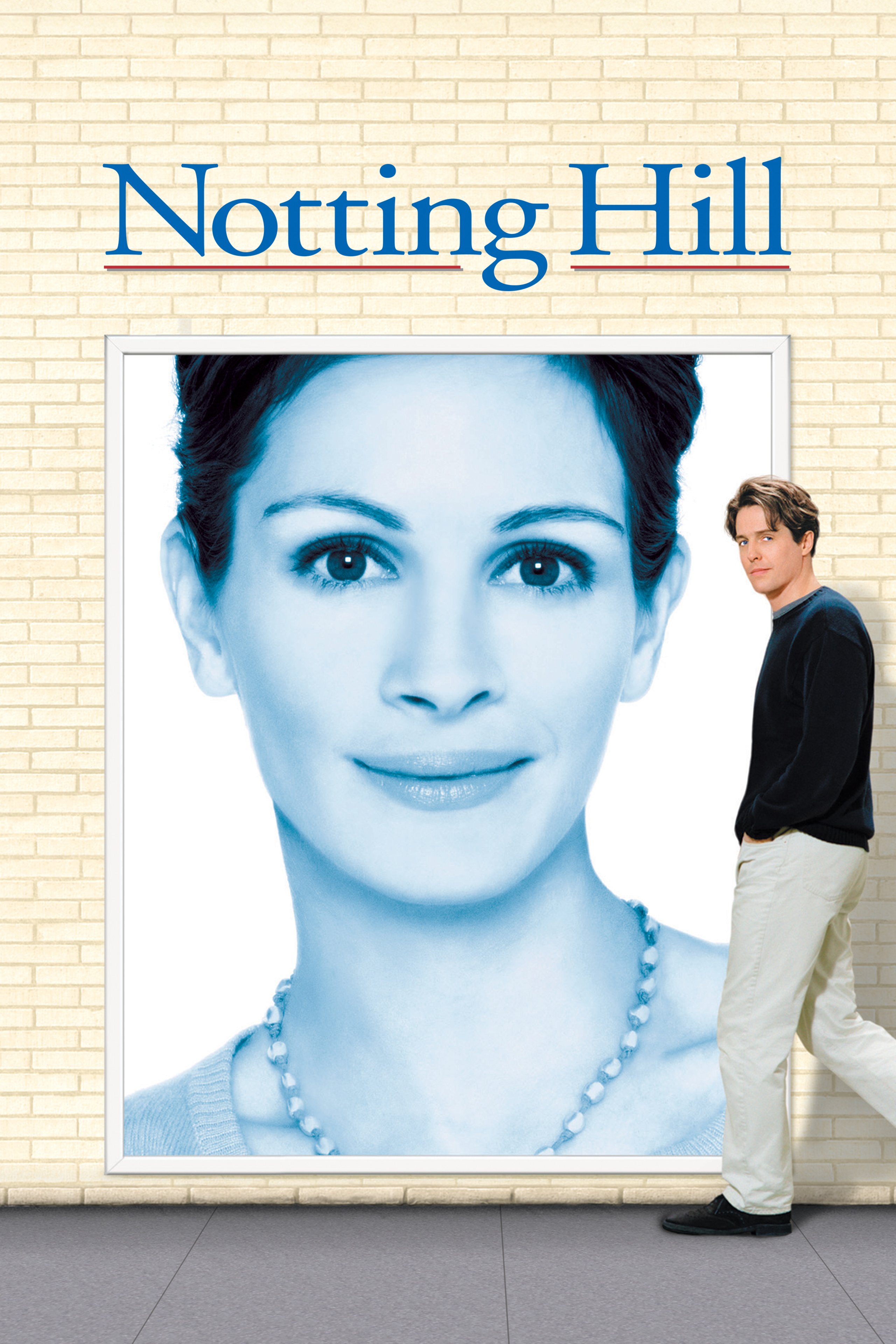
Notting Hill poster

Notting Hill

124 minutes

Cast

Selected cast credits · Film reference

Julia Roberts Anna Scott
Hugh Grant William Thacker
James Dreyfus Martin
Rhys Ifans Spike Andersen
Gina McKee Bella
Dylan Moran Rufus
Henry Goodman Ritz concierge
Julian Rhind-Tutt Time Out journalist
Lorelei King Karen
John Shrapnel Anna’s UK press agent
Clarke Peters Helix lead actor
Arturo Venegas Actor in Helix
Yolanda Vázquez Interpreter
Mischa Barton 12-year-old actress in Helix
Emily Mortimer Perfect Girl
Samuel West Anna’s co-star
Ann Beach William’s mother
Patrick Barlow Savoy concierge
Alec Baldwin Jeff King (uncredited)
Simon Callow Himself (uncredited)
Joe Cornish Autograph fan (uncredited)
Matthew Modine Actor in film (uncredited)

Notting Hill | The Rewatchables

Explore episodeClose episode

Most Rewatchable Scene

First bookstore encounter

In the discussion (9)
Approx. transcript time · 00:16:35Read transcript
  • The first bookstore encounter combines flirtation with the shoplifter, Rufus autograph and Anna’s abrasive comic manner.
  • The Horse and Hound press junket is nominated.
  • Honey’s birthday dinner and the contest over who most deserves the brownie are nominated.
  • Dinner-party matchmaking without Anna, including Emily Mortimer, culminates in a touching, supportive conversation among friends.
  • The couple’s day running lines and eating ice cream includes the Mel Gibson body-double joke; its isolation also foreshadows the press intrusion.
  • The famous Just a Girl speech is acknowledged, although the earlier bookstore encounter is preferred.
  • The final press conference is nominated alongside the dinner party and earlier junket.
  • The junket’s pace, restraint and shifts between public and private Anna reveal the character; its media mechanics feel accurate and Mischa Barton appears.
  • One initial choice is the junket, but the final exchange agrees on the first bookstore encounter for its tone, coarseness and one-liners.

What’s Aged the Best?

London and Notting Hill; Grant’s bookish archetype; celebrity commentary; Roberts’s role choice; script; nudity-clause explanation; final speech; wardrobe disputed

In the discussion (10)
Approx. transcript time · 00:22:31Read transcript
  • Anna’s wardrobe and Vans are proposed as enduring style, meeting immediate disagreement.
  • The teal flip-flops worn to present a Chagall and declare love are criticized as inappropriate despite the argument that casual slides remain fashionable.
  • Suits, a beret, two-piece outfits and tailoring prompt disagreement over whether returning fashion constitutes aging well; wardrobe is explicitly placed in aged worst by the dissenter.
  • London’s neighborhoods and Notting Hill’s appeal endure; the film’s blue door inspires tourism, though its present location and production geography are uncertain.
  • Grant’s gentle, bookish and emotionally unavailable archetype is traced from Four Weddings and established by this film.
  • Celebrity-culture commentary remains insightful despite the shift to online coverage; tabloids recycling images is seen as even more damaging with the internet.
  • Roberts’s decision to take a celebrity role despite script reservations strengthened her comeback and is read as reclaiming her narrative; the hosts do not claim to know her intention.
  • The character-driven script, vignettes and montages avoid conspicuous technology and dated references.
  • The nudity-clause explanation remains useful context for thinking about celebrity images and film contracts.
  • The final speech has an enduring life beyond the film.

What’s Aged the Worst?

Travel bookstore; Anna’s wardrobe disputed; Alec Baldwin’s appearance

In the discussion (4)
Approx. transcript time · 00:30:53Read transcript
  • Anna’s wardrobe is rejected again, while her flatter, imperfect hair is defended as believable off-duty styling and contrasted with her wigs and earlier roles.
  • A travel-specific bookstore seems obsolete beside online guides, Yelp, Airbnb and Tripadvisor, despite bookstores themselves remaining viable.
  • Possible 2019 occupations include a pub, coffee shop, plant shop, glasses store or retail-cafe hybrid; a comic shop is rejected as a different archetype from British bookishness.
  • Baldwin’s uncredited boyfriend appearance is unwelcome despite fitting the role; changing public associations make him seem less a slick American than an ugly American.

The most "year the movie came out" thing

Travel bookstore; Anna’s suits; When You Say Nothing at All; Rhys Ifans

In the discussion (5)
Approx. transcript time · 00:34:38Read transcript
  • The travel bookstore recalls the heyday of printed guides, including Lonely Planet and Harvard’s guide line.
  • Anna’s suits and dinner jacket are considered very 1999; pre-stylist off-duty dressing is offered as an explanation.
  • Ronan Keating’s When You Say Nothing at All garden-scene song feels distinctly 1999; versions including Alison Krauss are discussed, and the song now strikes the hosts as poor rather than sweet.
  • Ifans is treated as a 1999-defining actor who repeated a similar persona afterward.
  • The wardrobe dispute closes with agreement that the flip-flops are bad and a joking pedicure excuse.
In the discussion (5)
Approx. transcript time · 00:39:25Read transcript
  • Chambers makes the sister role distinctive through Honey’s quirkiness.
  • Dreyfus’s Martin adds comic energy through confusing Anna with Demi Moore in Ghost and the uncertain Ringo Starr sighting.
  • McInnerny and McKee create a believable married couple with their own story and friendship with William, rather than merely serving the leads.
  • Ifans’s scuba and cinema-goggle bits are praised as memorable physical comedy.
  • The final choices split between Honey/Chambers and Martin/Dreyfus, whose comic rhythm animates the bookstore scenes.
In the discussion (4)
Approx. transcript time · 00:49:57Read transcript
  • Grant is emphatically affirmed for the performance, success, recovery from scandal and foundation of his subsequent romcom run.
  • Roberts is rejected in favor of My Best Friend’s Wedding’s comeback achievement, despite preferring Notting Hill as a film.
  • Curtis initially receives an affirmative argument, but the final answer favors Love Actually’s commercial and career impact despite reservations about its emotional depth and gender politics.
  • Ifans is probably at his peak but is judged insufficiently prominent to qualify fully.
In the discussion (3)
Approx. transcript time · 00:54:07Read transcript
  • Baldwin is tentative, while Honey’s excess is attributed more to writing than overacting.
  • Honey and William’s sibling relationship seems unconvincing, though his responsible-sibling role explains the climactic call from their mother.
  • Anna’s Henry James set performance is deliberately exaggerated, while her paparazzi-driven anger feels realistic; the film is otherwise understated.
In the discussion (2)
Approx. transcript time · 01:05:38Read transcript
  • Initial resistance gives way to support through the comparison with Lovesick and the desire for a Curtis streaming world.
  • The central story may not need ten hours, but more time for the couple and the friends’ subplots could make the setting rewarding television.
In the discussion (2)
Approx. transcript time · 01:06:36Read transcript
  • Grant receives the initial choice and explicit agreement for his unusually pleasant and charming performance.
  • Roberts and Curtis are acknowledged as beneficiaries, but the final agreement returns to Grant.
Podcast choices
Speaker not identified
Hugh Grant
Speaker not identified
Hugh Grant