
What’s Aged the Best?
Williams score; cinematography; child performances; physical E.T.; standalone story; lasting popularity and iconic imagery
In the discussion (12)
Approx. transcript time · 00:52:37Read transcript
- Williams’s score makes viewers emotionally believe in the puppet, restores childhood wonder and gives the ending its force.
- Spielberg reportedly edited the final chase to Williams’s music, reversing the usual film-first scoring process and showing unusual trust.
- The almost wholly score-driven soundtrack and Williams’s many iconic themes put him at the peak of his profession; Gordon Willis is offered as a comparable technical master.
- Favorite images include forest flashlights, steam above the kitchen sink as Elliott looks skyward, and the wide shed shot when the ball rolls out.
- The unsettling dolly zoom over the housing development is a favorite, compared with later Goodfellas camera work.
- The ambiguous early 1980 sCalifornia setting works without a precise location, with a near-Tahoe intention recalled.
- Barrymore’s continuing adult success and Spielberg’s chronological shoot, letting the children genuinely say goodbye at the end, have aged well.
- The child-eye-level shots and C. Thomas Howell are enjoyed, with a wish for another recognizable child actor in the group.
- The physical E.T. effects still work despite their age; the living, blinking creature had to meet an audience already familiar with Yoda.
- Keeping the original science-fiction story standalone instead of making its planned sequel preserved its legacy; Spielberg’s existing Indiana Jones franchise may have helped him resist.
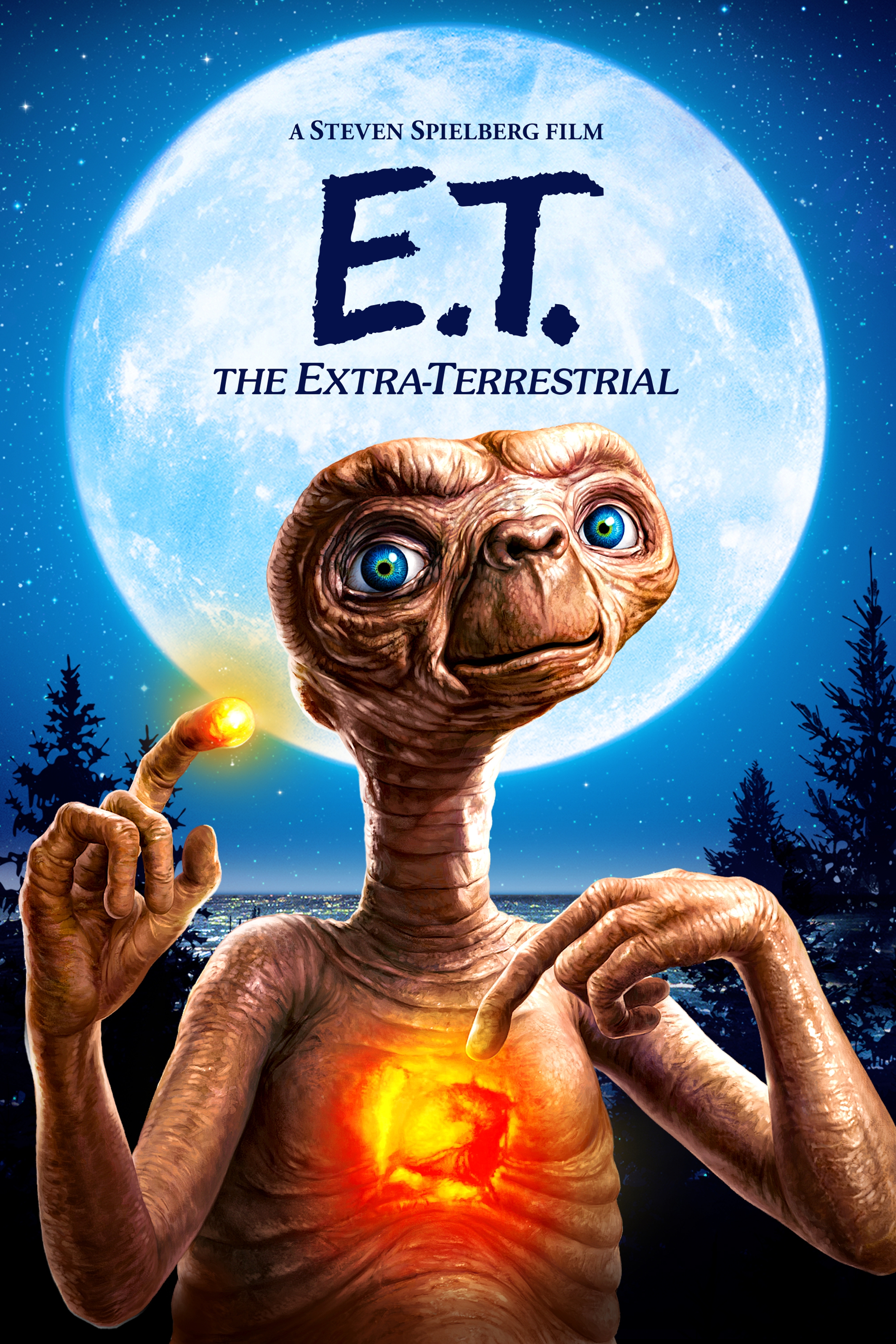
- The yearlong theatrical run and stronger eighth Friday illustrate extraordinary staying power. The moon silhouette and phone-home line are called top-ten icons, with the moon shot proposed as the most iconic ever.
- Imitating E.T.’s voice has aged both best and worst because impressions vary greatly.