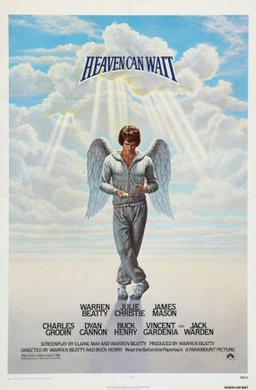
The original play and 1941 Here Comes Mr. Jordan precede this adaptation; a Muhammad Ali boxing version was allegedly planned and declined, with a reported early Coppola screenplay.
The first fifteen minutes are loved, narrowed to Max’s birthday visit that quickly establishes their friendship; another speaker favors the first eight minutes through the bike ride. The initially silent title sequence is praised for treating the player seriously.
Beatty’s throwing mechanics, touch passes, cadence and football terminology are praised. A prompted Craig reply prefers his physicality to Reynolds, with Mayfield comparison; other voices distinguish running versus system-quarterback styles. Mark Harmon is floated hypothetically, with uncertain chronology.
The Super Bowl was reportedly shot within fourteen halftime minutes at a Rams/Chargers preseason game; play calling looks authentic. F1 and Days of Thunder are comparisons for filming around live sport, followed by an uncertain Reacher sighting anecdote.
The tunnel accident works; dark events such as attempted murder and pollution are handled lightly, with a repeated plate gag allowing the audience to move on.
The body-candidate montage is liked, with wishes for several more alternatives. A Hollywood waiter and porn performer are joking imagined additions; the artificial rules are enjoyed.
Farnsworth’s return and the mouse panic, then Joe and Betty’s limo attraction and lingering looks, are candidates.
Joe telling Max the secret is called the movie’s single best part; private details and the neck adjustment finally persuade him. The reunion is appreciated. The actor-history comment at the start of351 instead continues the preceding Beatty/Christie romantic scene.
The servant football montage could run eight more minutes; Grodin crashing into a bush, attempted catches and Warden tossing the ball are enjoyed, with Warden’s football experience guessed.
The montage’s spacious backyard and Farnsworth’s first Rams practice are praised; the supposed LA house being in Northern California is a small disappointment. Grodin’s instruction to ignore offensive remarks is admired as comedy.
Joe’s goodbye to Betty, shooting and Super Bowl are candidates. The ending hurts because Max regains then permanently loses his friend; a speaker does not cry here despite crying at films generally. A biography analogy to Beatty moving on from friendships remains a report.
One final scene choice is the last ten minutes, especially Christie’s bittersweet meeting and the reassuring darkness moment.
Another final choice is convincing Max, with honorable praise for the boardroom’s compassion and the penny-to-save-a-thinking-fish idea. Beatty’s comic timing and the May/Henry writing support are praised.
The remaining final choice is training montage and football practice, especially Grodin watching him get sacked.
Professional athletes’ lower wealth and greater anonymity make Joe’s quiet birthday and modest house plausible; the reported first million-dollar player story illustrates the era.
Two voices converge on quarterback status having less celebrity value. A modern remake might motivate him with wealth, ownership or a stadium instead of playing the Super Bowl.
Runners-up include feathered women’s hair, gaudy mansion wallpaper, young Dick Emberg (observed) and nonexistent concussion scrutiny. The franchise price is the final number-one choice: source says17million here versus67million earlier, with19million book value; the inconsistent figures are not repaired.
Grodin could qualify, but Cannon is the chosen performer whose career did not seem to grow enough; another speaker previews a Cannon discussion for aged best.
Leo Farnsworth’s house is selected and explicitly also given the scene-stealing-location award.
Joe’s Topanga home is an alternate value argument. The mansion is reported as Filoli in Woodside, between San Francisco and San Jose, with wedding prices beginning75000; Dynasty credits and The Game are location credits. A Basic Instinct guess is rejected.
Joe’s prescribed death is given as10:17am March20,2016; speakers momentarily confuse whether he would still be alive, then joke about an elderly football survivor.
A six-pack of Cannon includes wanting a drink, outfits, eye acting, screaming, reported partners and Lakers attendance. Her indifference during the shooting and the Grodin affair/pajamas/curtain comedy are added; Who’s Harry Crumb is called great as a comparison.
Gardenia’s police sergeant and the Grusin score are praised. A Gardenia month is an unrealized alternative, and Shawshank is a comparison for pleasurable musical company.
An overtime Super Bowl and a Rams/Steelers matchup are said to anticipate later real events. Filming is reported as September1,1977 at a Chargers/Rams preseason game; actual Rams/Steelers later played at the Rose Bowl, not the Coliseum.
Backup-quarterback popularity and constant switching are discussed alongside the era’s violence and interceptions.
California wellness and the liver/whey drink are an early cultural memory for one speaker; another places the disgusting drink in aged worst, and others say raw-organ diets persist now. These are cultural opinions, not health advice.
Environmental displacement concerns feel early and durable. Farnsworth’s rich impostor behavior, sailor/polo outfits and hollow status are praised as newly relevant.